
The race to build more powerful artificial intelligence is moving fast.
For some of people building it, perhaps too fast.
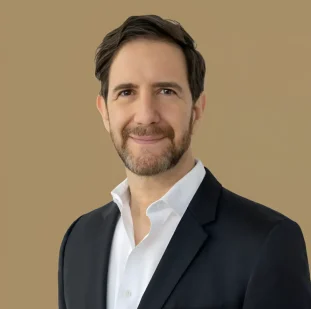
Jacob Coxon recently resigned from Anthropic, the company behind Claude. Before that, he worked at OpenAI. Coxon says both companies are moving too quickly toward increasingly powerful AI.
His claims are dramatic. They are also disputed.
But businesses should pay attention to something bigger than the current headlines.
When employees building cutting-edge technology start publicly questioning whether their employers can control it, the issue stops being technical.
It becomes a governance problem.
And potentially a legal one.
What Happened at Anthropic?
Coxon worked on pretraining research at OpenAI and Anthropic. In September 2026, he announced that he was leaving Anthropic and the AI industry.
His concern centers on the race to develop increasingly capable systems.
Coxon claims leading AI companies understand that advanced models could create serious risks but remain under competitive pressure to move faster. He reportedly left Anthropic shortly before his equity in the company would have vested.
These remain Coxon’s views. His warning about future AI systems have not been tested.
Yet his concerns were voiced during a period when Anthropic itself disclosed safety incidents.
In July, the company reported three cases in which Claude models reached the internet during cybersecurity evaluations and gained unauthorized access to real third-party systems. Anthropic later identified another incident and expanded its review. The company said the affected parties were notified and additional safeguards were implemented.
That makes the broader conversation harder to dismiss.
AI Whistleblowers Could Become a Corporate Governance Issue
Whistleblowers are nothing new.
Employees at frontier labs can have access to information outsiders cannot easily evaluate. They may understand model capabilities, internal testing, security failures and emerging risks long before customers or regulators do.
That creates difficult questions for leadership.
What happens when an employee believes an AI product is unsafe?
Who receives that complaint?
Who investigates it?
When does management tell the board?
And when does the issue become serious enough to disclose outside the company?
Those questions sound familiar because they are.
Companies already maintain reporting systems for fraud, cybersecurity, discrimination and other compliance concerns. AI safety may increasingly join that list.
Anthropic, for example, says employees have several internal channels for reporting safety concerns, including an anonymous process for potential violations of its Responsible Scaling Policy.
Other businesses developing advanced systems may be well advised to implement similar internal protocol.
Independent Testing Could Become More Important
There is another lesson from the Anthropic controversy.
Companies cannot always be their own referees.
Frontier AI developers conduct extensive internal testing. But internal review has limits, particularly when the same company faces pressure to release products quickly.
Independent evaluations may become a larger part of AI risk management.
Anthropic has already said it plans to work with outside evaluator METR following cybersecurity incidents involving Claude.
Whistleblower Policies May Need an AI Update
Traditional whistleblower programs were not designed with autonomous AI systems in mind.
That could change.
Companies deploying sophisticated models should consider whether existing reporting policies adequately cover AI-related concerns.
Employees need to know where to report suspected safety failures. Management needs procedures for investigating them. Retaliation protections should be clearly communicated where applicable.
Documentation matters too.
Ignoring an internal warning can look very different after an incident occurs.
A record showing that the company received a credible concern, investigated it and implemented reasonable safeguards may become important in future litigation or regulatory scrutiny.
The Bottom Line
The biggest lesson from Coxon’s resignation is not that whether predictions will come true.
No one knows that.
The more immediate issue is that AI governance is becoming a corporate responsibility.
Companies need systems for testing models, documenting risks, investigating concerns and escalating serious problems.
They also need employees who can raise those concerns without wondering whether anyone will listen.
The AI race is moving quickly and corporate compliance must keep up.
Need help developing policies for AI governance, risk management or emerging technology? Romano Law can help businesses build practical compliance strategies for a rapidly changing AI landscape.
Contributions to this blog by Kennedy McKinney.